 Packaging
Packaging
Packaging
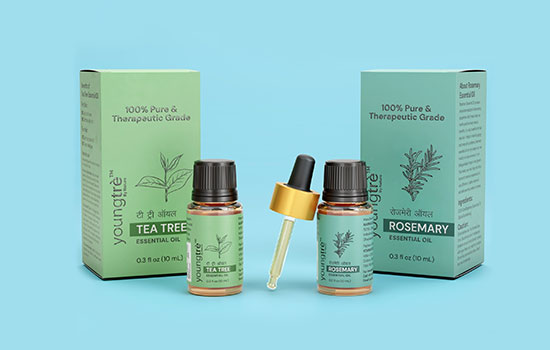
The right essential oil box packaging is essential to be successful in retail. The perfect essential oil box packaging blends aesthetics, safety, and brand identity, designed for shipping and retailing. Your essential oils need to be protected from light, damage and heat, and they must stand out on crowded shelves.
Why Packaging Matters for Essential Oil Retail Success
Essential oil packaging has three key roles that are essential to its product: protection, branding, and education. Oils deteriorate rapidly when not properly protected and lose their aromatic qualities and botanical elements. Amber glass bottles are the most suitable container for essential oils to keep their integrity intact, but the outer box should offer further protection from UV rays, heat and impact in shipping and display.
Your packaging can also convey brand value. Custom essential oil boxes for premium essential oil brands feature specially designed boxes, inserts and environmentally friendly materials that reflect quality and professionalism in the design. As for the packaging, amber or cobalt coloured glass bottles are the ideal choice for essential oils and the containers should be sturdy, light-proof and heat-proof, yet not so hard to open that it makes it extremely difficult for children to reach the contents.
Customers, whether at home or in the store, often seek the best essential oil storage box to maintain their collection in an organized and protected manner. The right packaging materials will help to foster customer confidence and repeat business.
Best Materials for Essential Oil Packaging Explained
Glass (specifically amber or cobalt) is the best choice of material for essential oil bottles, as it prevents damage from UV rays and maintains chemical purity. In certain cases, clear glass can only be used when packaged in dark containers. Glass is non-reactive which means that it helps to maintain the integrity of the essential oils better than their plastic counterparts.
Some plastics such as High-Density Polyethylene (HDPE) are suitable for diluted oil formulations and glass is the preferred material for long-term storage of pure essential oils. The balls used in the roller balls should be stainless steel or ceramic to avoid any chemical reaction with the ball.
Rigid Cardboard & Kraft Board: Ideal Choices for Outer Packaging
The best material for the essential oil boxes is FSC Certified Rigid Cardboard, sometimes covered in textured paper or laminated for protection. Made from rigid cardboard or Kraft board with internal support to create boxes that are shipping and display tough.
Consumers are focusing more and more on eco-friendly materials. The ideal essential oil box packaging is durable yet environmentally friendly, custom-made, artistically appealing, and functional. There is a growing trend of recyclable or biodegradable packaging that matches the values of sustainability, favored by many retailers.
Internal Protection Solutions: Inserts That Prevent Breakage
The insert is also a factor. The molded foam or pulp trays hold glass in place and in the center, preventing expensive breakage. Place EVA foam, pulp inserts or molded trays to ensure that each bottle is securely nestled in your box. This will stop any movement during the shipping process and will prevent impact damage.
Combining form-fitted boxes with foam inserts, light barriers and secure closures is an ideal combination for packaging. Leaks are prevented by secure seals, which are achieved by bottle caps that are lined with PE or phenolic.
The precision of the dropper bottle is required for exact ratios and the roller ball is convenient for topical applications. Screw caps are suitable for bulk applications on larger volumes.
Smart Design Strategy: Branding That Builds Shelf Appeal
Print the box with elements of the brand such as logo, color, and typography. These can be used harmoniously to create consistency and recognition and be incorporated into the brand. The design of your bottle should be a representation of what your brand is all about, whether it is purity, luxury, sustainability or anything else.
Provide product descriptions, aroma notes, usage guidelines and regulatory details on the box. Inform your customers about blends with custom inserts in your boxes. Display scent layers with icons or pictures to educate customers on how to use different oils.
Create gift sets by overall, mid-body, and base shapes. Arrange bright oils (such as lemon) on top/front of the box tray, balance oils centered to be prominent, and put heavy fixatives in a "lasts longest" section of the bottom of inserts. This strategic organization assists the customer with important properties and use of essential oils. When sizing a closure, please match it with the function it will serve for your customer.
Choosing the Right Closure Types for Maximum Functionality
- To prevent leakage, choose closures that ensure good sealing. Options include:
- These dropper caps are designed for accurate ratios, and are particularly suitable for skin care products.
- Topical: Convenient caps, no mess, rollerball caps.
- Screw caps: Use on larger bottles or bulk use
PET, HDPE and PP are the best plastics for essential oils and they are chemically resistant and safe for diluted oil formulations if used with proper storage. But for pure essential oils, glass is still preferred.
You should take into account how it will fit in your vehicle and how much space it will take.
Packaging Size Matters: Portability vs Bulk Use Considerations
Take into account the dimensions of your products. The smaller vials are ideal for personal use or for travel-size oils, which will appeal to on-the-go customers. Larger bottles are good for retail or bulk use by frequent users.
Consider usage frequency and portability before deciding what is final capacity. Smaller bottles (5ml-10ml) fit for travel, and occasional use. The medium bottles (15ml-30ml) are portable, while also providing value. Enthusiasts and professional users will prefer the larger bottles of 50ml–100ml.
Meeting Modern Consumer Demand Through Sustainable Packaging
Sustainability is a no-brainer. The perfect essential oil packager will simultaneously deliver a brand identity, keep the product safe, adopt sustainable packaging and educate the consumer. If sustainability is important to your brand, use recyclable or biodegradable materials.
FSC-certified materials are proof of environmental responsibility. Consumers are actively looking for sustainable packaging and are willing to opt for brands that prioritize sustainability over those that do not.
Shipping Safety: Ensuring Product Protection During Transit
Safety in shipping is essential to retailing. The packages should be able to handle the handling, temperature and impact. Ensure the boxes used are sturdy with internal support, foam lining and secure closures to prevent breakage and leakage.
Test packaging by dropping, shaking and shipping sample boxes prior to full production. This will allow your packaging to stand up to real-world conditions and prevent damaging products.
Final Words
At WordsCraze, we believe the right essential oil packaging is the key to building a strong and successful retail brand. The packaging must draw the attention of customers when they look at it in the stores. Good packaging is a marriage between the bottle, cap, seal, and the outside box.
Take into account shelf presence (does your box stand out amongst the competition)? Does it convey quality and value? One of the most important factors in branding is how your container looks. Pick designs that match your brand's design and have a function.
Don't miss
-
How to Turn Gift Boxes into Electronics Organizers (DIY Guide)
April 30, 2026
-
Why Boutique Boxes Are Redefining Retail Packaging with Style and Identity
April 30, 2026
-
Top 20 Global Packaging Companies Leading the Industry in 2026
March 17, 2026
-
Top 10 Packaging Companies in the USA (2026 Industry Leaders)
March 16, 2026
-
20 Different Types of Boxes Used in Packaging Industry (Complete Guide)
March 4, 2026
.jpg)