 Packaging
Packaging
Packaging
How Boutique Boxes Are Transforming Retail Packaging
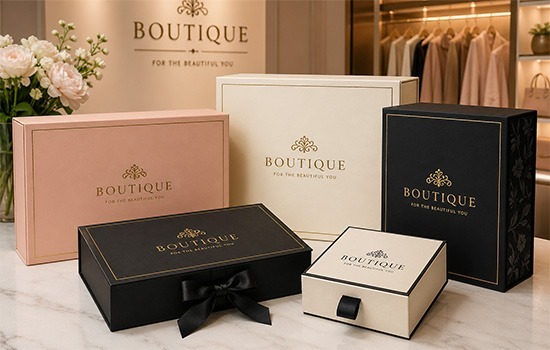
There is something new in the stores these days. The boxes are no longer just boxes. They are statements. They are displayed as mini works of art, and shoppers think twice about discarding them. This is no coincidence. Boutique boxes have subtly transformed the role of packaging, elevating these practical containers to become a part of the brand.
From Protection to Emotion
Traditionally, packaging did only one thing: keep the product safe during transport. Retailers selected boxes solely for price and sturdiness. But smaller brands saw an opportunity. The box is the first point of contact for the product. They touch the box before they touch the product. They feel its weight. They feel the texture. That moment matters.
Today's boutique boxes are designed to be an experience from the first look. Consider Shabouk's design for a tea-and-health company in the USA. They designed a pastel rigid tray, with several smaller compartments of different soft colors, bound with a satin ribbon. The tray wasn't designed to store tea envelopes. It was about saying, "This is a gift, an event, a feeling. Consumers select blends based on how they want to feel (relaxed, alert); the packaging delivers these benefits through pictures and a narrative before the product is even opened. This is the core shift. Boutique boxes do not just contain products. They express ideas and emotions.
Structure as Signature
The best boutique packaging uses form for branding. Take the work of Studio Pulp & Pixel for The Souk Factory, a company offering home fragrances. They designed an incense box in the shape of a prism: a geometric shape that stands out from all the round or square boxes on the market. The inside and outside surfaces of the prism are branded. Custom dielines were developed using prototypes and material tests with local manufacturers, demonstrating that unique shapes must be designed and crafted, not just created with a template by a graphic designer.
Likewise, ABC Design Communication transformed the classic panettone. They created a bag-box combination with built-in handles, allowing the packaging to be used for carrying and as a gift box. The high color (magenta!) and abstract forms give the pastry box a pop-art look that defies every tradition of traditional holiday pastry packaging. The outcome is a pastry that becomes a coveted contemporary design object.
Identity Woven Into Materials
The look and feel is as important as shape and color. California-based Bonjour Bakehouse, an artisan French bakery, employs natural craft paper boxes with white panels to display the product information. These panels are ringed by thin lines in red, teal and blue that serve as product indicators for the scone flavors and also nod to French traditions. The packaging is made of handmade, artisanal, and intentional elements.
Heritage can also be a graphic system. Shabouk also designed another series of rigid boxes that reference UAE heritage motifs, doors and textile designs. Patterns are arranged as tiles: central panels, bands, and micro-icons that scale well on boxes of various sizes. Clay blues, desert tones, and party colors signify. It's not a masquerade costume or a stereotype: it's a modern packaging language with a sense of place and tradition.
Sustainability Without Compromise
Luxury boutique brands must balance sustainability and luxury. It's not a question of beauty versus sustainability. It is the use of materials that are both.
James Cropper's CupCycling technology is an example of this. It recycles the plastic linings from old coffee cups and converts the paper fiber into high-end papers for bags, folding boxes and rigid boxes. This same process was used to transform coffee cups collected from British retailer Selfridges' stores into yellow carrier bags. Mulberry went a step further, using 100 percent post-consumer recycled paper for every sheet of their Mulberry Green packaging: 20 percent CupCycling fiber and 30 percent other post-consumer waste. The environmental story is written on the packaging so customers know the same attention paid to the product is also given to the packaging.
Unboxing as Ritual
Unboxing has become a design element. Magnetic seals, custom packaging inserts, embossed logos, and interior elements all encourage the customer to savor the moment. Boxes may include light or sound elements that transform the process into a multi-sensory experience.
Even the inside surfaces count. At The Souk Factory, all interior details add texture. The aim is not just to keep the product safe but to create a memorable experience (and social media moment). Customers photograph these unboxings. They post them on social media. This is all free publicity, all because of the packaging.
The Economic Reality
None of this is cheap. Boutique boxes are more expensive than carton boxes. Rigid boxes, turned edges, foil, and embossing are all costly. But boutique brands have done the math. Fancy packaging is compensated for by an increase in perceived value, brand loyalty and price insensitivity. Customers are willing to pay more for a product in a beautiful box. It also results in repeat sales from customers who perceive the product as high-quality and well-cared for.
Final Words
Packaging is even more important in the rise of e-commerce. As people leave the stores, the box they receive is the only physical contact they may have with the brand. And the box has to do more. It must safeguard, showcase, and sell. Boutique boxes are showing the way forward. They show that packaging is not something to be cheap about, but something to be smart about. They show that branding can be structural, that sustainability can be exclusive, and that boxes can be as memorable as the contents.
Don't miss
-
How to Choose the Right Essential Oil Box Packaging for Retail Success?
June 17, 2026
-
How to Turn Gift Boxes into Electronics Organizers (DIY Guide)
April 30, 2026
-
Top 20 Global Packaging Companies Leading the Industry in 2026
March 17, 2026
-
Top 10 Packaging Companies in the USA (2026 Industry Leaders)
March 16, 2026
-
20 Different Types of Boxes Used in Packaging Industry (Complete Guide)
March 4, 2026
.jpg)