 Packaging
Packaging
Packaging
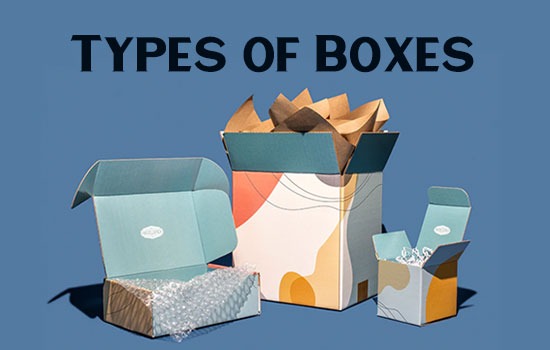
The global packaging industry is valued at over $1 trillion, and packaging boxes play a critical role in logistics, retail presentation and brand positioning. Choosing the right type of boxes directly impacts shipping costs, product protection and customer experience.
At WordsCraze, we focus on explaining packaging in a simple way so businesses can choose the right solution. There are three main families: corrugated, folding cartons (paperboard), and rigid boxes. Each category includes specialized types of packaging boxes designed for shipping, retail display, luxury branding, or food storage. Understanding these packaging box types helps companies improve protection, presentation, and overall customer experience.
Top 20 Packaging Box Types
Corrugated Boxes (Shipping & Logistics Packaging)
Corrugated boxes are multi-layered fiberboard containers designed for transportation, warehousing and bulk shipping. They consist of linerboard and a fluted medium layer that provides cushioning and compression resistance. Common flute profiles include:
- A-Flute: Maximum cushioning
- B-Flute: High puncture resistance
- C-Flute: Balanced strength and stacking
- E-Flute: Thin profile for retail packaging
- Double-Wall / Triple-Wall: Heavy-duty industrial use
Corrugated packaging dominates eCommerce, FMCG distribution, electronics logistics and export shipping.
1. Regular Slotted Container (RSC)
The Regular Slotted Container is the most common shipping box style used worldwide. All four top and bottom flaps are equal in size and meet at the center when closed. This design makes manufacturing simple and affordable.
RSC boxes are widely used in industries such as fashion eCommerce, consumer electronics distribution, FMCG logistics and pharmaceutical shipping due to their cost-efficiency and stacking strength. They are easy to seal with tape and stack efficiently in warehouses. Because of their versatility, they dominate the shipping industry.
Key Features:
- Equal-length flaps
- Easy to manufacture
- Cost-effective design
- Suitable for general shipping
- Strong stacking capability
2. Full Overlap Container (FOL)
The Full Overlap Container has flaps that completely overlap each other when closed. This adds extra thickness to the top and bottom of the box. It provides better protection for heavy or fragile products during transit. FOL boxes are ideal for long-distance shipping where stacking strength is important. Their design reduces damage caused by compression or impact.
Key Features:
- Fully overlapping flaps
- Extra strong and durable
- Better compression resistance
- Ideal for heavy products
- Enhanced stacking support
3. Half Slotted Container (HSC)
The Half Slotted Container looks like an RSC but does not have top flaps. It remains open from one side, making it suitable for storage or display. HSC boxes are often used in warehouse aisles and retail shelves. They allow easy access to products without removing the entire box. This style is practical for bulk storage.
Key Features:
- Open-top structure
- Easy product access
- Suitable for storage
- Simple and practical design
- Efficient shelf display
4. Mailer Boxes (Roll-End Tuck Top)
Mailer boxes are self-locking corrugated boxes mainly used for e-commerce businesses. They are designed to close securely without additional tape. These boxes are strong yet stylish, making them perfect for subscription services. Mailer boxes enhance the unboxing experience while protecting the product. Their compact design reduces shipping costs.
Key Features:
- Self-locking mechanism
- No tape required
- Ideal for online brands
- Lightweight yet strong
- Custom printing options
5. Double Wall Corrugated Boxes
Double wall corrugated boxes are built with two layers of fluting instead of one. This double layer increases strength and durability. They are used for shipping heavy machinery parts or fragile items. These boxes offer maximum protection during transportation. Their thick walls resist pressure and damage.
Key Features:
- Two fluted layers
- High durability
- Strong load bearing capacity
- Maximum product protection
- Ideal for industrial use
6. One-Piece Folder (OPF)
The One-Piece Folder is made from a single sheet of corrugated board. It folds around flat products such as books, mirrors, or frames. This design provides edge protection without using extra material. OPF boxes are light and cost-effective. They are ideal for shipping flat items safely.
Key Features:
- Single sheet construction
- Wrap-around design
- Ideal for flat products
- Lightweight structure
- Cost-effective packaging
Folding Cartons (Retail Packaging Boxes)
Folding cartons are lightweight paperboard packaging solutions used for retail display and branding. They are commonly manufactured using:
- SBS (Solid Bleached Sulfate)
- Kraft board
- Recycled paperboard
These boxes are printed with high-resolution graphics and are ideal for cosmetics, pharmaceuticals, food products, and personal care items. To learn more about carton packaging, check out our detailed guide on carton packaging.
7. Straight Tuck End (STE)
The Straight Tuck End box has both top and bottom flaps folding in the same direction. This creates a clean front look for branding. It is commonly used for cosmetics and pharmaceuticals. The design is easy to assemble and close. It provides a professional retail appearance.
Key Features:
- Same side tuck flaps
- Clean front panel
- Easy assembly
- Ideal for retail
- Lightweight material
8. Reverse Tuck End (RTE)
The Reverse Tuck End box has flaps that fold in opposite directions. This design uses less material, making it affordable. It is widely used for small retail products. RTE boxes are easy to store and assemble. They offer good branding space.
Key Features:
- Opposite tuck flaps
- Cost-effective structure
- Easy storage
- Popular in retail
- Good printing surface
9. Auto Lock Bottom (Crash Bottom)
The Auto Lock Bottom box has a pre-glued base that locks automatically when opened. This saves time during packaging. It provides strong bottom support for heavier items. These boxes are common in the food and cosmetic industries. They are efficient for fast production lines.
Key Features:
- Pre-glued base
- Quick assembly
- Strong bottom support
- Time-saving design
- Suitable for heavier retail products
10. Snap-Lock Bottom (1-2-3 Bottom)
Snap-Lock Bottom boxes require manual folding of flaps to create a secure base. The locking system provides strength for heavier items. These boxes are used for products that need extra stability. They are durable and reliable. The design supports safe handling.
Key Features:
- Manual locking flaps
- Secure bottom structure
- Durable base support
- Ideal for medium weight products
- Reliable packaging solution
11. Gable Boxes
Gable boxes feature a built-in handle and peaked top. They are widely used for takeout food and gift packaging. Their design makes them easy to carry. They are attractive and practical. These boxes enhance customer convenience.
Key Features:
- Built-in handle
- Easy portability
- Attractive peaked design
- Ideal for food packaging
- Easy assembly
12. Sleeve Boxes (Tray & Sleeve)
Sleeve boxes include an inner tray and an outer sliding cover. This design creates a premium look. They are commonly used for chocolate and electronics. The sliding mechanism improves the unboxing experience. These boxes are stylish and functional.
Key Features:
- Sliding sleeve structure
- Separate inner tray
- Premium presentation
- Easy product access
- Strong branding surface
13. Pillow Boxes
Pillow boxes have curved edges that create a pillow-like shape. They are used for lightweight items such as jewelry. These boxes are compact and stylish. They are easy to assemble and close. Their unique design attracts customers.
Key Features:
- Curved shape design
- Lightweight material
- Unique appearance
- Easy assembly
- Suitable for small gifts
14. Window Patch Boxes
Window patch boxes contain a transparent plastic window. This allows customers to see the product inside. They increase trust and sales in retail stores. These boxes protect the product while offering visibility. They are common in bakery packaging.
Key Features:
- Transparent viewing window
- Improved product visibility
- Attractive shelf appeal
- Protective outer layer
- Ideal for retail display
Rigid Boxes (Luxury & Premium Packaging)
Rigid boxes are premium packaging solutions used for high-end products. These box design styles are thick, durable, and reusable. They enhance brand value and customer experience.
15. Telescope Boxes
Telescope boxes consist of two separate pieces: a lid and a base. The lid fits over the base tightly. This design is popular in luxury electronics packaging. It provides strong protection and elegance. The box is reusable and durable.
Key Features:
- Two-piece structure
- Strong rigid material
- Premium appearance
- Durable design
- Ideal for luxury items
16. Magnetic Closure Boxes
Magnetic closure boxes have hidden magnets in the lid. They close smoothly and securely. These boxes provide a premium unboxing experience. They are reusable and long-lasting. They are common in luxury branding.
Key Features:
- Hidden magnetic closure
- Secure and smooth opening
- High-end appearance
- Durable structure
- Reusable packaging
17. Shoulder Neck Boxes
Shoulder neck boxes include three parts: base, neck, and lid. The inner neck supports the lid and adds depth. This design looks luxurious and elegant. It enhances product presentation. It is commonly used for perfumes.
Key Features:
- Three part rigid structure
- Elegant layered design
- Premium unboxing feel
- Strong built quality
- Suitable for luxury goods
18. Drawer Style (Slide) Box
Drawer style boxes feature an inner tray that slides out from a rigid outer shell. This interactive design increases customer engagement. It is often used for high-end accessories. The box is durable and stylish. It improves product presentation.
Key Features:
- Sliding drawer mechanism
- Interactive opening style
- Premium rigid material
- Reusable design
- Attractive presentation
19. Book Style Box
Book style boxes open like a hardcover book. They provide a unique and elegant unboxing experience. These boxes are often used for gift hampers. Their strong, rigid material protects the product. They enhance brand image.
Key Features:
- Book-like opening
- Elegant structure
- Strong, rigid material
- Ideal for premium gifts
- Reusable packaging
Specialized Material Boxes
20. Aseptic Cartons
Aseptic cartons are multi-layered packaging boxes made from paper, plastic, and aluminum foil. They are designed to store liquid foods without refrigeration. These cartons protect against light, air, and bacteria. They increase product shelf life significantly. They are commonly used for milk and juice packaging.
Key Features:
- Multi-layer material
- Protects against contamination
- Extend shelf life
- Suitable for liquid food
- Lightweight yet strong
Comparison of Main Packaging Box Types
| Category | Material | Best For | Strength | Cost Level |
|---|---|---|---|---|
| Corrugated | Fluted fiberboard | Shipping & Logistics | High | Low–Medium |
| Folding Cartons | Paperboard | Retail Display | Medium | Low |
| Rigid Boxes | Thick paperboard | Luxury Branding | Very High | High |
| Aseptic Cartons | Multi-layer composite | Liquid food storage | Medium | Medium |
How to Choose the Right Type of Box
Choosing the right type of box requires balancing protection, cost efficiency, branding impact and logistics performance. A packaging solution that works for retail display may not be suitable for long-distance shipping. Businesses must evaluate structural strength, material type and end-use requirements before finalizing their packaging design.
- Product weight and fragility
- Shipping distance
- Branding requirements
- Budget constraints
- Sustainability goals
- Storage conditions
Conclusion
The different types of boxes in the packaging industry are designed according to material, structure, and purpose. From heavy-duty shipping cartons to premium rigid packaging and specialized aseptic cartons, each style serves a unique function. Understanding these types of packaging boxes helps businesses choose the right packaging for protection, branding, and cost efficiency.
Selecting the appropriate packaging box type directly influences shipping efficiency, damage reduction, branding impact, and operational costs. Businesses that align box structure with product requirements can improve supply chain performance and enhance long-term customer satisfaction.
FAQs
What is the most durable type of packaging box?
Triple-wall corrugated boxes are considered the most durable packaging solution. They include three layers of fluted fiberboard, providing maximum compression strength and load-bearing capacity. These boxes are commonly used for industrial machinery, bulk exports and heavy equipment shipping.
Which boxes are best for e-commerce?
Mailer boxes, especially roll-end tuck top designs, are the best choice for online brands. These box types are strong, self-locking, and improve the unboxing experience. In modern box styles in packaging, mailer boxes are highly preferred for e-commerce businesses.
What is the difference between corrugated and paperboard?
Corrugated is thicker and stronger, mainly used for shipping products safely. Paperboard is thinner and lighter, making it ideal for retail packaging. Understanding these different types of boxes helps businesses choose the right solution for shipping or display purposes.
Are these boxes eco-friendly?
Most paper-based types of packaging boxes, such as Kraft and cardboard, are recyclable and biodegradable. Many brands now choose sustainable materials like recycled paper or grass carton. Eco-friendly box design styles help businesses reduce environmental impact and build trust.
What are rigid boxes used for?
Rigid boxes are used for luxury and premium products such as electronics, jewelry, and gift items. These high-end packaging box types improve product presentation and enhance the customer experience. They are part of premium box shapes and styles used for branding.
Don't miss
-
How to Choose the Right Essential Oil Box Packaging for Retail Success?
June 17, 2026
-
How to Turn Gift Boxes into Electronics Organizers (DIY Guide)
April 30, 2026
-
Why Boutique Boxes Are Redefining Retail Packaging with Style and Identity
April 30, 2026
-
Top 20 Global Packaging Companies Leading the Industry in 2026
March 17, 2026
-
Top 10 Packaging Companies in the USA (2026 Industry Leaders)
March 16, 2026
.jpg)