 Packaging
Packaging
Packaging
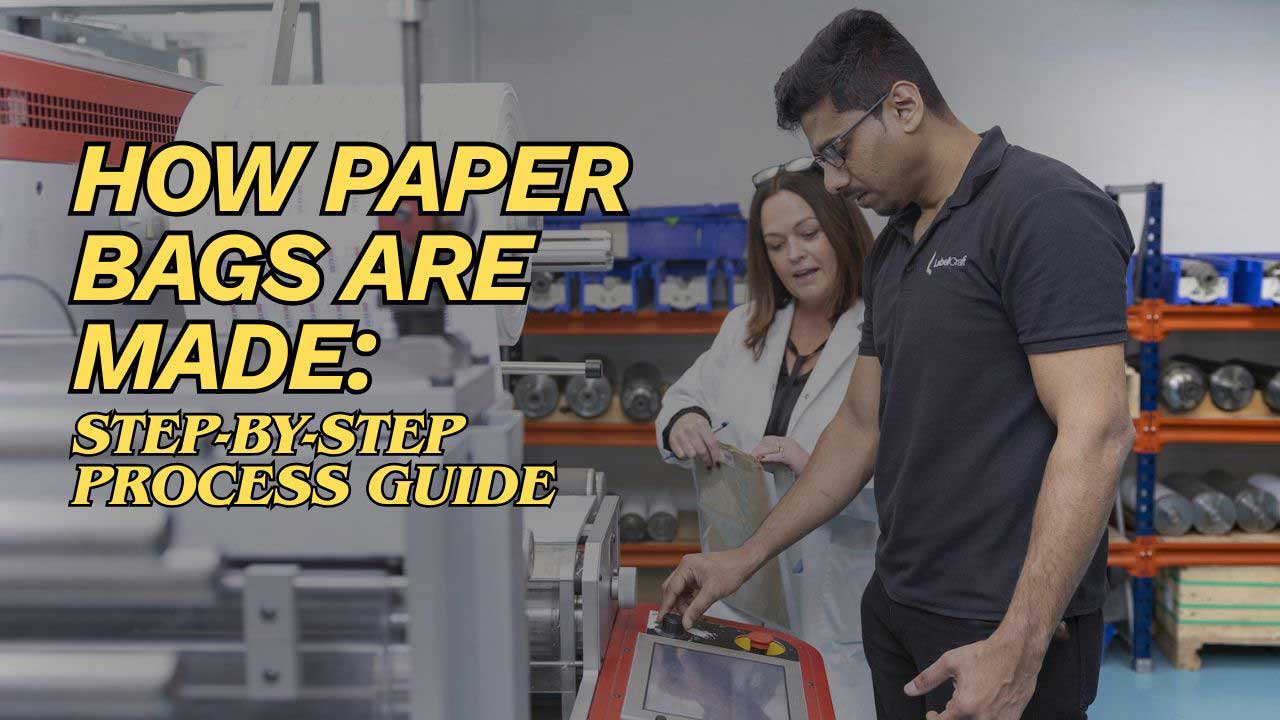
Paper bags are the most commonly used method for carrying and storing your items. These bags are made of eco-friendly materials through a safe manufacturing process. Paper bags are biodegradable, sturdy, and stylish. Do you ever wonder how paper bags are made? There is a step by step process to manufacture them. In the modern world, these bags are made with responsible, eco-friendly methods, from sourcing the raw material to the final product. This blog by WordsCraze will take you through the whole process of how a paper bag comes into being.
A Step by Step Paper Bag Manufacturing Process
The steps to making paper bags are carefully managed steps that make raw pulp into fully usable paper bags. Each step is important to ensure durability, clean folding, and professional branding. Every stage, whether it is the preparation of kraft paper, printing, folding, pasting, or gluing of handles, is highly accurate. An exact process of how paper bags are made is provided below:
1. Preparing the Raw Material
The process starts with getting raw material from wood chips that are sourced from softwood or hardwood trees. These chips are properly washed to remove any dirt and bark. They are passed through a big digester, which is a pressure cooker like device where the chemicals turn it into pulp. In this step:
- Heat and pressure soften the chips.
- Lignin is separated from the fibres.
- The pulp is rinsed several times to remove any impurities.
- If it is kraft paper, the pulp is processed through a chlorine free bleaching process.
2. Making Kraft Paper Rolls
The pulp is put on a moving wire mesh in a paper making machine, which removes all the excess water. As the sheets move further, the fibres bond, making the paper pass through large heated rollers to make it smooth and even. When everything dries fully, they are made into big rolls. These kraft paper rolls are the main raw material for making paper bags.
3. Printing the Kraft Paper
While the paper is still in big rolls, the branding and designs are printed on it. It is important to print everything with accuracy, cleanliness, and speed. The paper bags get a proper look and identity with logos, QR codes, taglines, colours, artwork, and product details. Some common printing methods are the following:
- Flexographic Printing: This printing process is speedy, quick, and affordable. It works very well with bulk productions. It uses quick drying inks, which are perfect for solid colouring and repetitive branding if you're manufacturing thousands of bags.
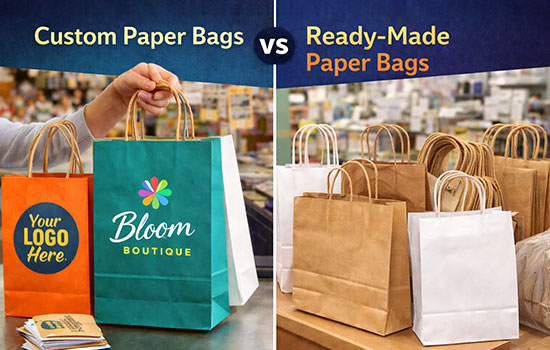
- Digital Printing: Digital printing is ideal for smaller orders or shorter runs and customized designs. This type of printing is highly detailed, with small batch variation, and allows customized branding.
- Offset Printing: This type of printing is usually used for high-end and luxury bags. It makes sharp artwork, clean details, and matching graphics, making it a premium quality printing.
4. Cutting and Sizing the Paper
After the printing process, the large rolls of paper are then cut into desired sizes. The paper bags could be made into small, medium, and large. There are cutting machines that trim the papers into given dimensions perfectly. The ends and edges are made smooth to avoid any tears in the next step. The perfect cutting is important to make high-quality paper bags.
5. Shaping and Gluing the Bag Structure
After cutting and sizing the bags, they are made into the shapes of bags. The paper sheets are folded into the shapes of the bags, and strong glue is applied on the sides to hold the shape. Side gussets are made to give the bag extra flexibility and capacity. This process makes the bag sturdy, into a proper shape, and ready for the next step.
6. Folding and Securing the Bottom
Pasting and folding the bottom is important as it defines the weight that the paper bag can safely carry. At this stage, bottom flaps are carefully folded, and enough glue is added to stick permanently to avoid any leakages or looseness. After the adhesive is applied generously, machines apply a tight press on the bottom to ensure that it has a strong seal. In case of heavy bags or luxury bags, the reinforcement sheet is put on top of the bottom to give it more strength and stability.
7. Punching Holes for Handles
A paper bag must have handles, and it is important to punch holes on the top of the bag where the handles would be placed. Special equipment helps to make every hole very straight, uniform, and of the same size to make them strong and stylish. In bags made to carry heavier items or high-end luxury bags, extra reinforcement patches are added above the holes. The patches are used to prevent tearing as well as provide additional support so that the handles can be firmly attached and the bag can easily carry heavy weights with safety.
8. Attaching the Handles
Handles can be added through machines or by hand. Handles are fitted in various ways, including machine gluing, knot through-hole, and reinforced patch gluing for premium bags, depending on desired style and strength. Handle options include:
- Twisted Paper Handles
- Flat Paper Handles
- Ribbon Handles
- Cotton Rope Handles
- Jute Rope Handles
9. Quality Checks and Final Inspection
Quality check is one of the most important steps during which all paper bags are examined, making sure they are strong, durable, stylish, and up to the standards. All the bags are checked for the accuracy of printing, colour consistency, and the correct placement of the logo. The glue joins, and the bottom folds are tested to make sure that they will not tear when carrying the required weight.
The gusset alignment, handle strength, and the general smoothness of the folds are also checked and tested. Any defective bags with marks, poor glue, wrinkling, or weak structure are taken out, leaving behind only high quality and perfectly finished bags.
10. Packaging and Shipping the Finished Bags
After the quality checks, paper bags are pressed flat and stacked. The stacks are made so that they can be made into organized bundles and then wrapped. Wrapping each bundle avoids any damage or dust during transport and delivery. Then labels and information of the orders are added to them for safe and correct delivery. The bundles are put in cartons and sealed properly to be shipped safely. The cartons are delivered to the customers in stores or warehouses in perfect condition and ready to be used.
Key Factors to Consider Before Manufacturing Paper Bags
There are some key factors to keep in mind before manufacturing your paper bags. These factors allow your bags to be high quality, attractive, and easy to use. When you produce paper bags, keeping these factors in mind, you will have the perfect paper bag:
- It is important to select the right type of kraft paper. It should be chosen for the specific use and specific weight.
- Bright and accurate printing is necessary for logos, details, and artwork.
- Select the right type of handle that is durable and can carry weight effortlessly.
- Select the bottom style according to the weight of the product and add reinforcements.
- Use skilled artisans and machines for glueing, cutting, and proper folding.
- Use non-toxic glue, which is strong and smooth, to enhance the appearance and durability of the paper bags.
- Use recyclable or biodegradable materials for your paper bags because consumers nowadays are environmentally friendly.
- Bundling and wrapping them in a safe way will deliver the bags to the customers safely and securely.
Why the World is Shifting Toward Eco-Friendly Paper Packaging
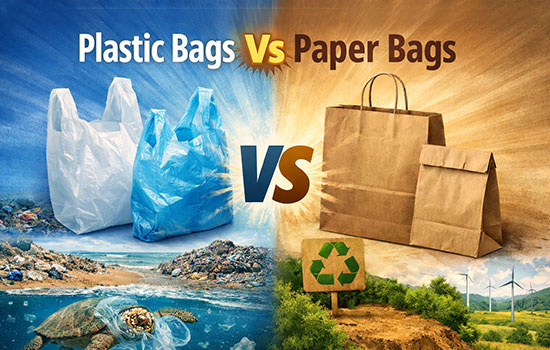
In this new age of awareness, people are getting to know how plastic is harmful to the environment. They are switching to more eco-friendly ways of packaging. The research shows the growth of the food packaging sector at 7% each year. Many people prefer paper bags because they are eco-friendly and do not damage the environment. The Union Paper Bag Machine Company estimates that the world uses about five trillion plastic bags annually, a big number of which end up in the oceans, rivers, and landfills, resulting in severe environmental destruction. That is why a lot of individuals and businesses are switching to paper bags because they are a less harmful option.
Conclusion
Paper bags are the perfect eco-friendly solution for storing and carrying your items. These bags are perfect for professional and personal use. They are attractive, strong, and easy to use while being eco-friendly, which makes them ideal for everyday use instead of plastic. From the first step of scorching the wood chips for your paper bags until the end, they are made to be high quality while being functional. When you understand the whole manufacturing process and make them with important factors in your mind, your paper bags will turn out attractive, durable, and strong. The use of paper bags is a small but responsible step towards a safer environment.
FAQs
How long does it take to manufacture paper bags?
Paper bag manufacturing time depends on quantity and customization. Bulk production with simple printing can be completed within a few hours, while customized or luxury paper bags may take 1–3 days due to design approval and quality checks.
What type of paper is best for making strong paper bags?
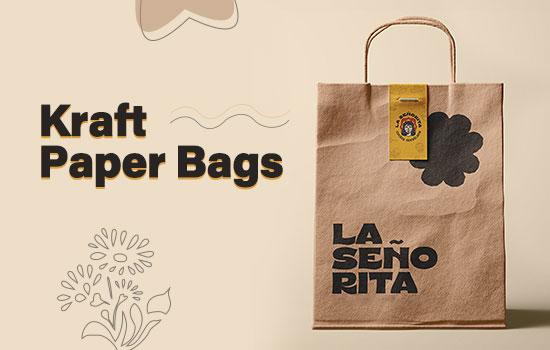
Kraft paper is considered the best option because it is thick, durable, tear-resistant and eco-friendly. It can hold heavy items and is widely used in grocery, retail and food packaging industries.
What raw material is used to make paper bags?
Paper bags are mainly made from wood pulp that comes from softwood or hardwood trees. The wood chips are cleaned, cooked and processed into pulp, which is then dried into kraft paper rolls. This material is strong, recyclable and suitable for both lightweight and heavy-duty bags.
Don't miss
-
How to Choose the Right Essential Oil Box Packaging for Retail Success?
June 17, 2026
-
How to Turn Gift Boxes into Electronics Organizers (DIY Guide)
April 30, 2026
-
Why Boutique Boxes Are Redefining Retail Packaging with Style and Identity
April 30, 2026
-
Top 20 Global Packaging Companies Leading the Industry in 2026
March 17, 2026
-
Top 10 Packaging Companies in the USA (2026 Industry Leaders)
March 16, 2026